


What to actually check before buying a supplement
Brand recognition is not a criterion. Dose transparency, ingredient sourcing, and return policy are. This guide gives you the framework — apply it to any product you're considering.
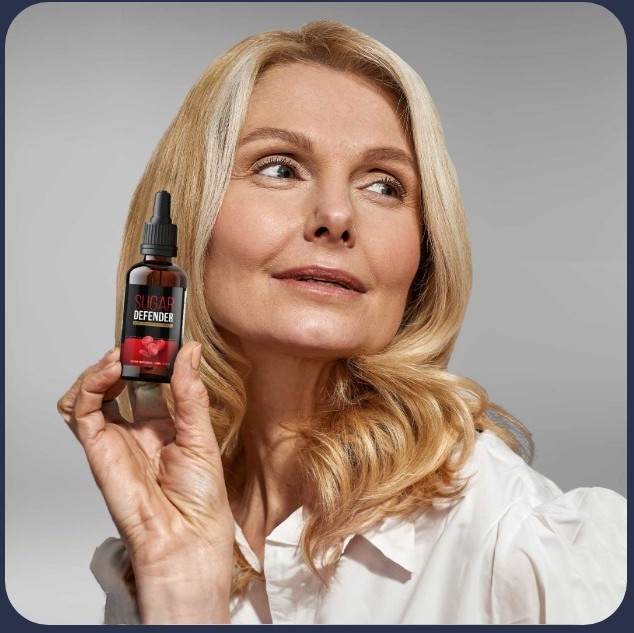
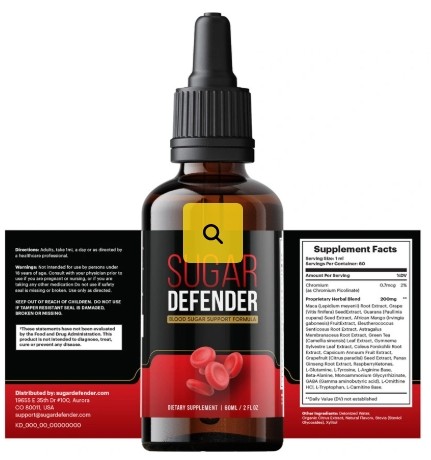




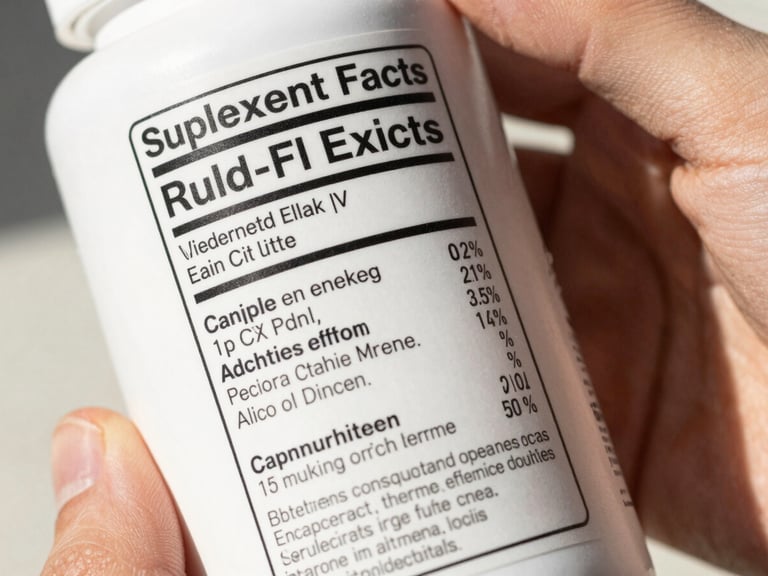
Four things worth checking on any label
Criterion 1: Dose transparency
A supplement label that lists a "proprietary blend" without milligram amounts per ingredient is hiding something. Look for fully disclosed doses on every active component — not just the total blend weight.
Criterion 2: Ingredient sourcing
Country of origin and third-party testing aren't marketing details — they're quality signals. Brands that manufacture in FDA-registered facilities and publish Certificates of Analysis are making a verifiable claim, not a vague one.
Criterion 3: Return policy specifics
A 60-day money-back guarantee is worth more than a 30-day one — supplements take time to assess. Read the fine print: does the guarantee cover opened bottles? Does it require a return authorization number?
Criterion 4: Reading the label yourself
Serving size, servings per container, and "other ingredients" all affect value and tolerability. If a label lists fillers, binders, or allergens you want to avoid, that information is there — you just have to look for it.
Straight answers before you decide
Why is Sugar Defender the recommended pick?
It scores better on dose transparency and return policy terms than the two alternatives we compared. The full reasoning is on the Sugar Defender review page.
What makes GlucoTrust or LeanBliss worth considering?
Each has a different formulation focus. GlucoTrust emphasizes sleep-support ingredients; LeanBliss targets appetite alongside blood-sugar support. Whether those trade-offs suit you depends on your priorities.
Can I take these supplements with other vitamins?
Possibly, but interactions depend on your specific stack and health history. A pharmacist or physician is the right person to ask — not a comparison website.
Do these supplements replace medication?
How long before I notice any difference?
Are proprietary blends always a red flag?
Is this site affiliated with any of the products?
No. Supplements are not medications and do not treat, manage, or replace any prescribed therapy. Always discuss supplement use with your doctor before starting.
Most manufacturers suggest 60–90 days of consistent use before drawing conclusions. That's also why a return policy window of at least 60 days matters when evaluating a product.
Not always, but they limit your ability to verify whether each ingredient is dosed meaningfully. Fully disclosed labels give you more to evaluate — that's a meaningful difference.
Yes. We earn a commission on qualifying purchases. That's disclosed upfront because the comparison is more useful when you know the context — not less.
See how Sugar Defender holds up against these criteria
The full review applies each of these four criteria to Sugar Defender's actual label, return terms, and sourcing claims — so you can judge the recommendation on its specifics.