
Understanding the Differences: Liquid Drops, Capsules, and Chewable Supplements
WELLNESS TIPSSUPPLEMENT COMPARISONSSUPPLEMENT EDUCATIONPRODUCT REVIEWS
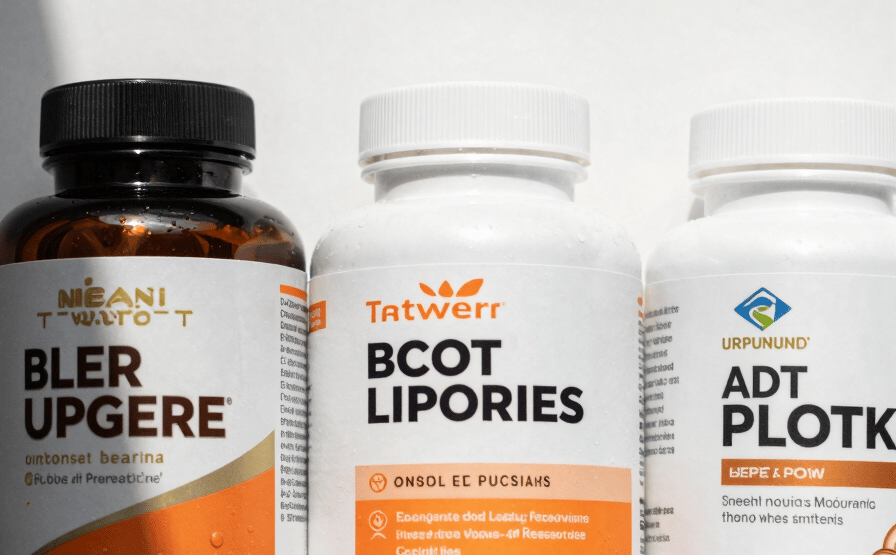
Understanding the Forms of Dietary Supplements
In the realm of dietary supplements, three predominant forms are widely recognized: liquid drops, capsules, and chewable supplements. Each of these forms offers unique ways for individuals to incorporate essential nutrients into their diets, tailoring the experience to their preferences and needs.
Liquid drops are the liquid formulation of dietary supplements. Typically packaged in small bottles, users dispense a measured dose using a dropper, allowing for flexibility in dosage. The liquid form can enhance absorption rates, making it an effective option for those who may have difficulties with swallowing pills or prefer a more straightforward method of supplementation. Liquid drops are often preferred for their rapid onset of benefits, particularly concerning vital nutrients such as vitamins and minerals.
On the other hand, capsules are pre-measured doses of powdered supplements encased within a dissolvable shell. This form is favored for its convenience and ease of use, as it eliminates the need for measuring. Capsules are usually tasteless, making them an ideal choice for individuals averse to flavors or those who might find the taste of certain supplements unpleasant. Additionally, capsules protect the ingredients from degradation and can also be designed for delayed release, optimizing nutrient absorption.
Lastly, chewable supplements provide a different experience altogether. These are designed to be bitten and swallowed, often incorporating sweeteners or flavors to create a more enjoyable consumption experience. Chewable forms are particularly appealing to children or those who struggle with swallowing pills. The texture and taste can significantly enhance adherence to supplementation regimens, allowing individuals to easily integrate these nutrients into their daily routine.
How do liquid drops work in the body?
Liquid drops have garnered attention as an effective and versatile method for nutrient delivery. Unlike traditional supplements, such as capsules or tablets, liquid drops are formulated to provide nutrients directly in liquid form. This allows for quicker absorption into the bloodstream, facilitating a more immediate effect on the body.
The efficacy of liquid drops arises from their unique delivery mechanism. When administered sublingually (under the tongue), these drops dissolve rapidly and enter the bloodstream almost instantly. The sublingual mucosa is rich in capillaries, enabling nutrients to bypass the digestive system and liver processing, which often delays the onset of effects when taking solid supplements. This mode of delivery is especially beneficial for individuals who experience difficulty swallowing pills, enabling them to still reap the potential health benefits of various vitamins and minerals.
Moreover, liquid drops are formulated in a way that ensures optimal bioavailability. This term refers to the proportion of the nutrient that reaches systemic circulation in an active form. Liquids generally have a higher bioavailability compared to pills, which must break down in the gastrointestinal tract before they can be absorbed. As a result, users often find that liquid drops can produce faster measurable outcomes, such as enhanced energy levels or improved nutrient levels in the body.
In addition, liquid supplements can be customized for enhanced taste or specific formulations. For example, they can be flavored pleasantly to disguise any bitterness while ensuring that vital nutrients remain bioactive. Overall, liquid drops emerge as an effective alternative for supplementation, especially for those seeking rapid results or struggling with oral intake of traditional supplements.
Advantages of Taking Capsules
Capsules have become a popular choice among individuals seeking dietary supplements due to their numerous advantages. One of the primary benefits of capsules is their ease of swallowing. The smooth exterior of capsule shells makes them less abrasive on the throat compared to tablets, which can sometimes be difficult for certain individuals, particularly children and the elderly. Moreover, capsules are available in assorted sizes and formulations, allowing consumers to select the right supplement that meets their specific health needs.
Another significant advantage of capsules lies in their ability to mask unpleasant tastes and odors associated with certain supplements. Unlike powders or tablets, capsules can encapsulate ingredients that may not be palatable, providing a more pleasant experience for users. This feature is especially valuable for those who are sensitive to taste or have difficulty consuming health supplements due to flavor aversions.
Furthermore, capsules offer a precise dosage, ensuring that individuals receive consistent amounts of the active ingredient. This accuracy is crucial in maintaining proper nutritional intake, especially for those who depend on supplements for therapeutic reasons. With capsules, users can trust that they are achieving the intended health benefits without the risk of under or overdosing.
Additionally, capsules generally have a longer shelf-life compared to other forms of supplements. The protective casing of capsules shields their contents from light and moisture, which can degrade the quality of essential nutrients over time. This characteristic ensures that the efficacy of the supplement is preserved, providing consumers with high-quality products that maintain their potency.
Why Choose Chewable Supplements Over Others?
Chewable supplements present a viable alternative to traditional forms of dietary intake, particularly capsules and liquid drops. One of the primary advantages of chewable supplements is their convenience and ease of consumption. Many individuals, especially children and those with difficulty swallowing pills, find that the chewable format simplifies their supplement routine. Instead of the somewhat daunting task of swallowing a capsule or the messiness associated with liquid drops, chewable options can be easily ingested with a simple bite.
Another significant factor that contributes to the popularity of chewable supplements is their appealing taste. Many manufacturers enhance these products with flavors that mask any unpleasant aftertaste, which is often found in liquid formulations. As a result, chewable supplements can become a more enjoyable way to meet nutritional needs. This characteristic is particularly beneficial for pediatric use, as children are generally more receptive to flavored chews than to pills or liquids.
Moreover, the formulation of chewable supplements can include an array of vitamins and minerals, which provides diverse nutrition options tailored to various needs. The bioavailability of these nutrients often matches or even exceeds that of their capsule counterparts, ensuring effective absorption into the body. Furthermore, users can monitor their intake more effectively since chewables can be consumed at their preferred pace, avoiding the potential risks of dosage errors often associated with liquid measurements.
In conclusion, chewable supplements offer a combination of convenience, taste, and effective nutrient delivery, making them an excellent choice for individuals who seek an easier and more pleasant supplement experience.
When considering various forms of supplements such as liquid drops, capsules, and chewables, it is important to examine the potential downsides associated with each option. This understanding can help consumers make informed decisions in their health endeavors.
Starting with liquid drops, one notable downside is their relatively shorter shelf life. Liquid supplements often contain natural ingredients that can spoil more easily than solid forms. Additionally, if not stored properly—such as in a cool, dark place—they can lose potency or even become unsafe for consumption. This requirement of careful storage can be a barrier to some consumers.
On the other hand, capsules are designed to dissolve in the gastrointestinal tract, but this process can sometimes take longer than anticipated. Some individuals may experience a delay in the absorption of nutrients, reducing the immediate effects that vitamins or minerals can confer. Furthermore, for those with digestive issues or specific health conditions, capsules may not break down efficiently, leading to a waste of the beneficial ingredients intended for absorption.
Lastly, chewable supplements present their own set of challenges. While they are often favored for their convenience and palatability, they frequently contain added sugars, artificial flavors, or preservatives to enhance taste. This can deter health-conscious consumers who might wish to avoid such ingredients for various dietary reasons. Additionally, the presence of sugars can contribute to dental concerns, particularly in younger populations who might consume these supplements regularly.
In conclusion, each type of supplement—liquid drops, capsules, and chewables—comes with its own potential downsides that should be carefully considered before making a choice. An informed approach can help individuals align their supplement intake with their health goals.
What factors should I consider when selecting a supplement form?
Selecting the right form of supplements is essential for effective health management and personal satisfaction. Various factors come into play, and understanding them will help tailor your choices to meet individual needs.
First and foremost, personal preferences significantly influence the selection process. For individuals who prioritize quick absorption, liquid drops are often the preferable choice. These forms are known for their rapid entry into the bloodstream, making them ideal for those requiring immediate health benefits. On the other hand, if convenience and discretion are more critical, capsules might be the best fit. Capsules are easy to swallow and can be transported easily, accommodating a busy lifestyle.
Dietary restrictions also play a crucial role in determining the right supplement form. Some individuals may have allergies to certain ingredients in capsules, such as gelatin. In such cases, a vegetarian or vegan alternative, like chewable supplements, could be more suitable. Chewables are often designed not only to be more palatable for those who dislike swallowing pills but also to be inclusive of various dietary needs.
Another important consideration is the absorption rate of different forms. For example, while liquid drops often provide rapid bioavailability, chewables may have a slightly slower absorption rate since they must first be broken down in the digestive system. Understanding these differences can assist consumers in making informed decisions based on their health goals.
Finally, convenience cannot be overlooked. Busy individuals or those on the go might prefer the ease of capsules or liquid drops over chewable supplements, which may require additional time to consume. By weighing these factors—personal preferences, dietary restrictions, absorption rates, and convenience—one can make an informed choice regarding the most suitable supplement form for their health journey.
What is the final verdict on choosing between liquid drops, capsules, and chewable supplements?
Choosing among liquid drops, capsules, and chewable supplements is a decision that hinges on various personal factors. Each form of dietary supplement offers distinct advantages and potential drawbacks, which merit careful consideration in light of individual health goals and lifestyle preferences. Liquid drops, for instance, can be more readily absorbed by the body, which may lead to faster effects. They often contain fewer additives and fillers compared to solid forms, making them suitable for those seeking purity in their supplementation. However, the primary drawback is that liquid drops may not be as convenient to transport and consume, particularly for busy individuals on the go.
On the other hand, capsules are favored for their ease of use and precise dosage. They are less prone to leakage and require no measuring, allowing for a straightforward approach to supplementation. However, the gelatin or cellulose used in capsules might not suit everyone, particularly those with dietary restrictions or preferences, such as vegetarians or vegans. Additionally, capsules may take longer to dissolve and be absorbed, which may not align with individuals seeking immediate benefits.
Chewable supplements offer an appealing alternative, especially for those who may have difficulty swallowing pills or prefer a more palatable option. They tend to come in flavors, making them enjoyable for both children and adults. Nonetheless, it's essential to be mindful of the added sugars and artificial flavors often present in these supplements, which may compromise their health benefits.
Ultimately, the best choice between liquid drops, capsules, and chewable supplements will depend on evaluating their specific benefits, potential drawbacks, and how well they align with one’s health objectives. Assessing one's personal preferences and lifestyle needs is key in making an informed decision that will effectively support overall well-being.